

Fleet PVT Logistics
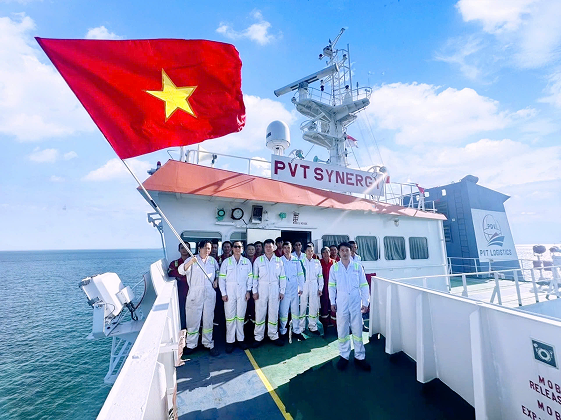
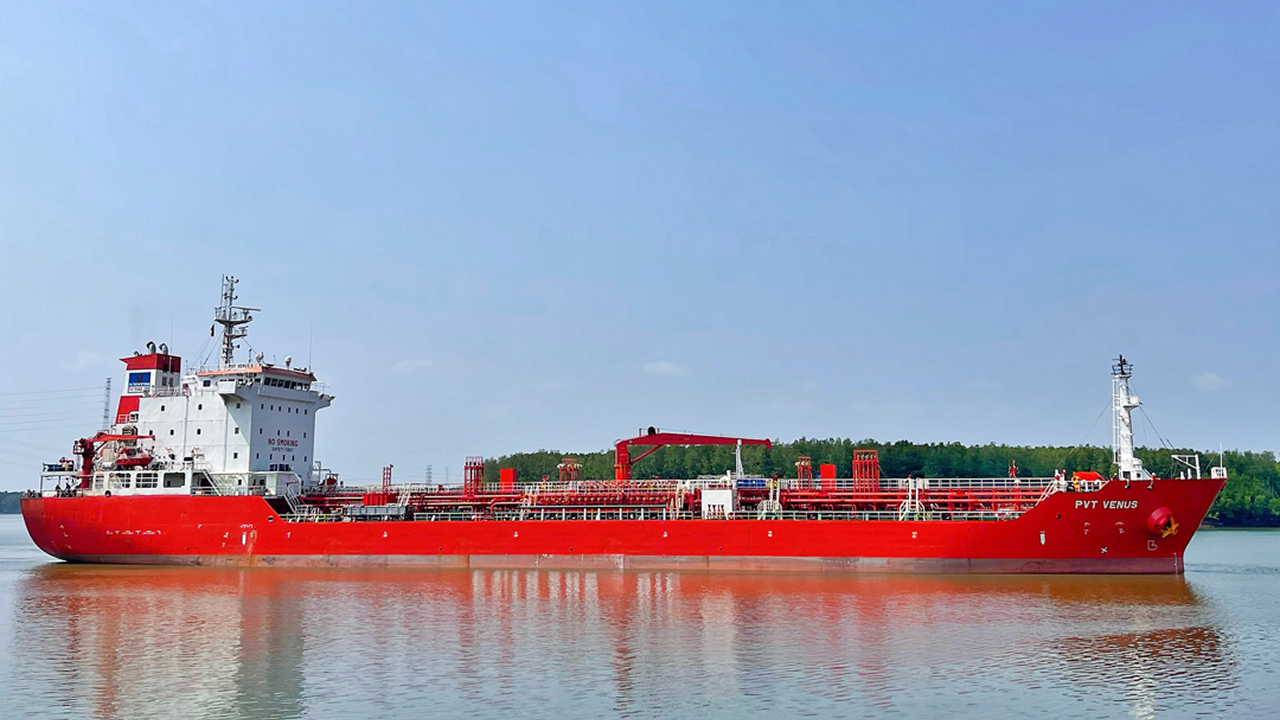
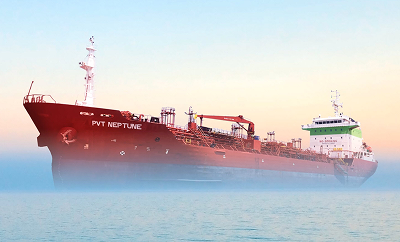
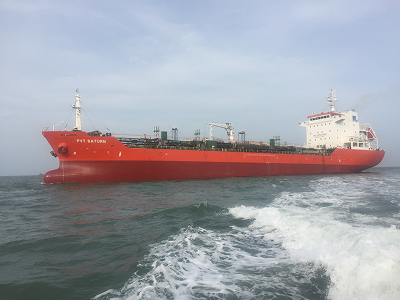
PVT Logistics owns and operates a fleet of oil, chemical, and bulk carriers with deadweight ranging from 13,000 to 61,000 DWT, serving international routes.
The fleet is approved by leading oil majors such as Chevron, ExxonMobil, Shell, and Petronas, meeting stringent operational and safety standards.
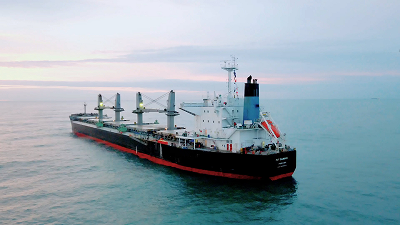
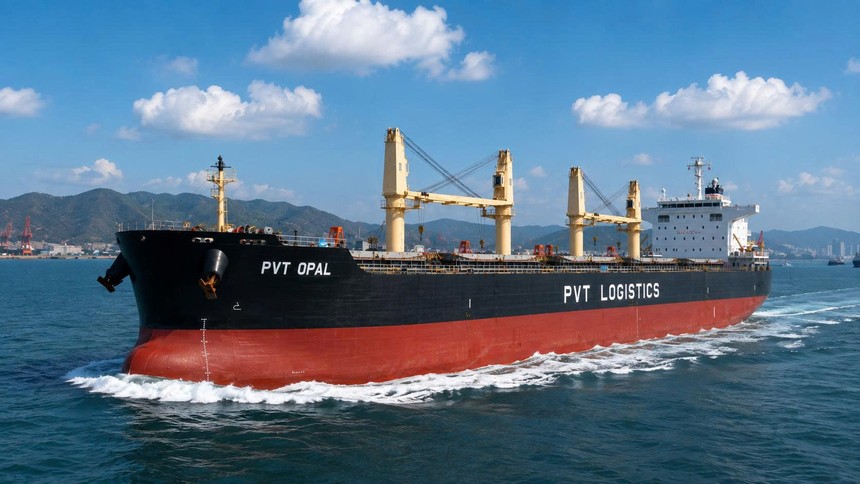
In parallel with its oil and chemical tanker fleet, the Company is expanding into Supramax/Handysize bulk carriers, aiming to build a young, modern fleet and progressively strengthen its position in the regional market.
Fleet Overview
A modern, well-maintained fleet operating across international waters
11
OPERATING VESSELS
402 K DWT
TOTAL DEADWEIGHT CAPACITY
30 +
TRADE ROUTES
100 %
SAFETY
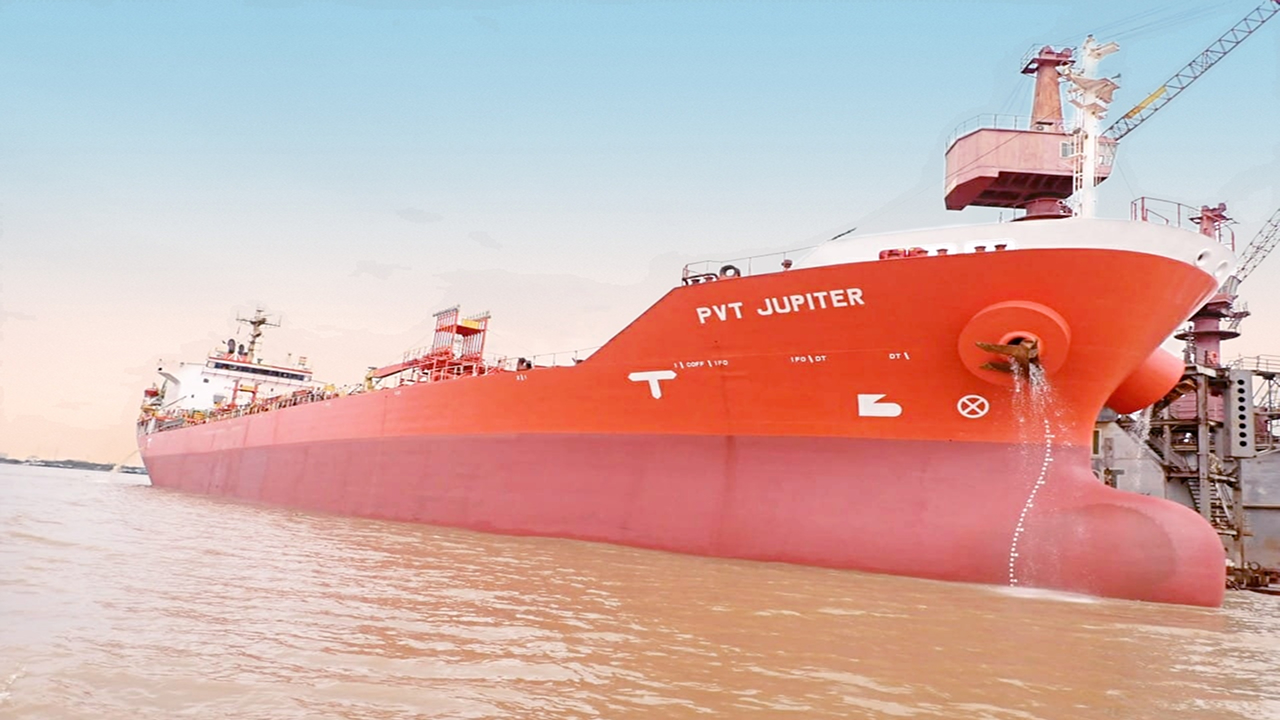
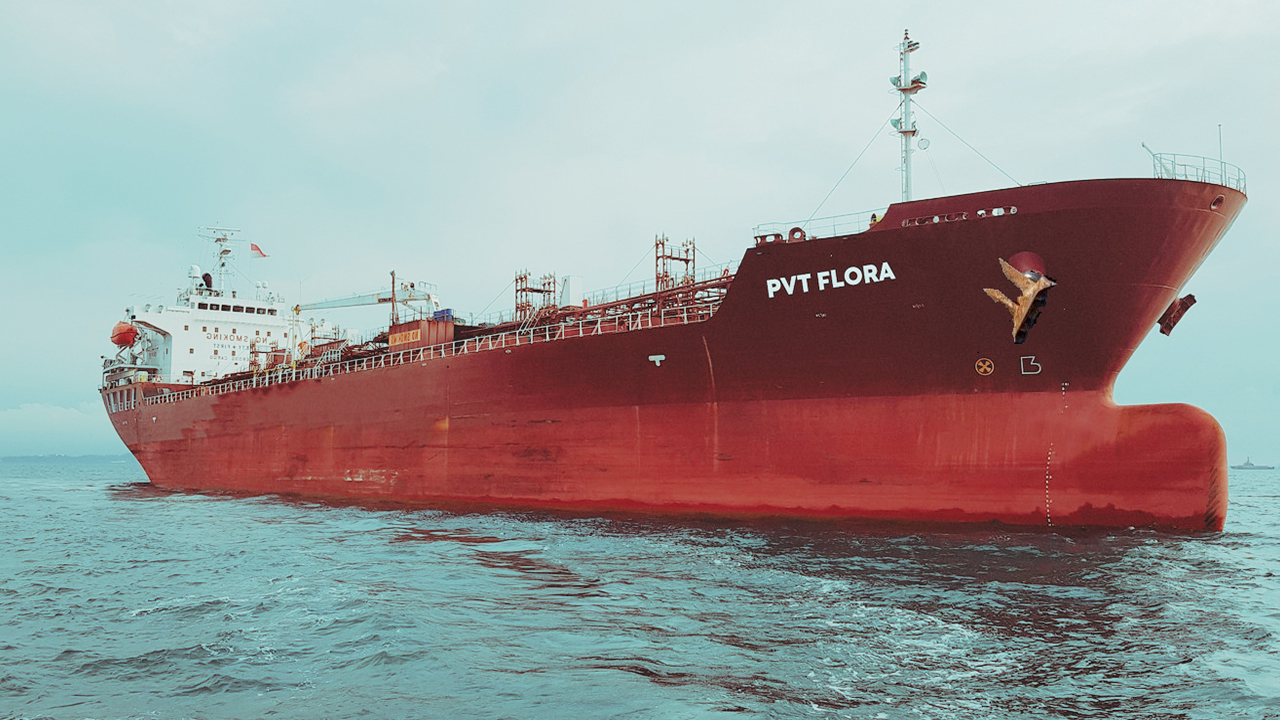
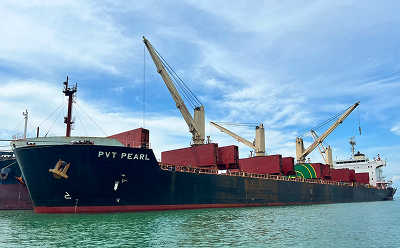
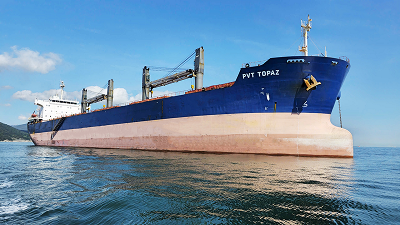
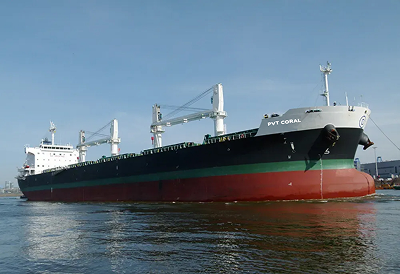
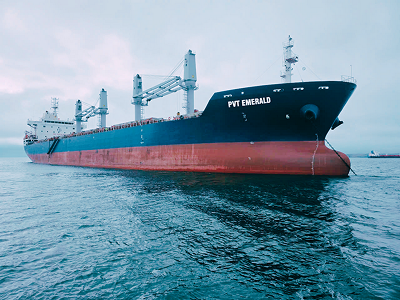
Fleet Development Strategy
Focused on building a young, modern, and diversified fleet.
Expanding the Bulk Carrier Fleet
Developing a fleet of Supramax/Handysize bulk carriers in line with global shipping trends, enhancing dry cargo transport capacity across Asia–Pacific routes.
Maintaining the Oil/Chemical Fleet
Continuing to maintain and upgrade IMO II/III oil and chemical tankers, ensuring compliance with stringent vetting requirements from oil majors such as Chevron, ExxonMobil, Shell, and Petronas.
Green Fleet & ESG
Moving toward an environmentally friendly fleet in compliance with IMO 2030/2050 carbon reduction targets, adopting fuel-efficient technologies and clean energy solutions.
Digital Transformation in Operations
Implementing real-time vessel monitoring systems (AIS), predictive maintenance, and integrated fleet management software to optimize operating costs and improve efficiency.
International Trade Routes
PVT Logistics fleet operates across multiple international waters and trade routes
Asia–Pacific
Japan, South Korea, China, Taiwan
South Asia & Middle East
India, UAE, Oman, Saudi Arabia
Oceania
Australia, New Zealand
Vietnam Domestic
Oil and gas ports from North to South
International Maritime Safety Standards
The entire fleet strictly complies with international conventions and regulations
ISM Code
International Safety Management Code – ensuring structured and compliant safety management systems in ship operations
ISPS Code
International Ship and Port Facility Security Code – ensuring maritime security and protection against terrorism and piracy
MLC 2006
Maritime Labour Convention – ensuring seafarers’ rights, working conditions, and onboard welfare
MARPOL
International Convention for the Prevention of Pollution from Ships – controlling emissions and protecting the marine environment
SOLAS
International Convention for the Safety of Life at Sea – standards for ship design, equipment, and safe operation
STCW
Standards of Training, Certification and Watchkeeping – ensuring professional competence of seafarers